Anxiety: The Hidden Hurdle
Part Two: Life, Work and Academics
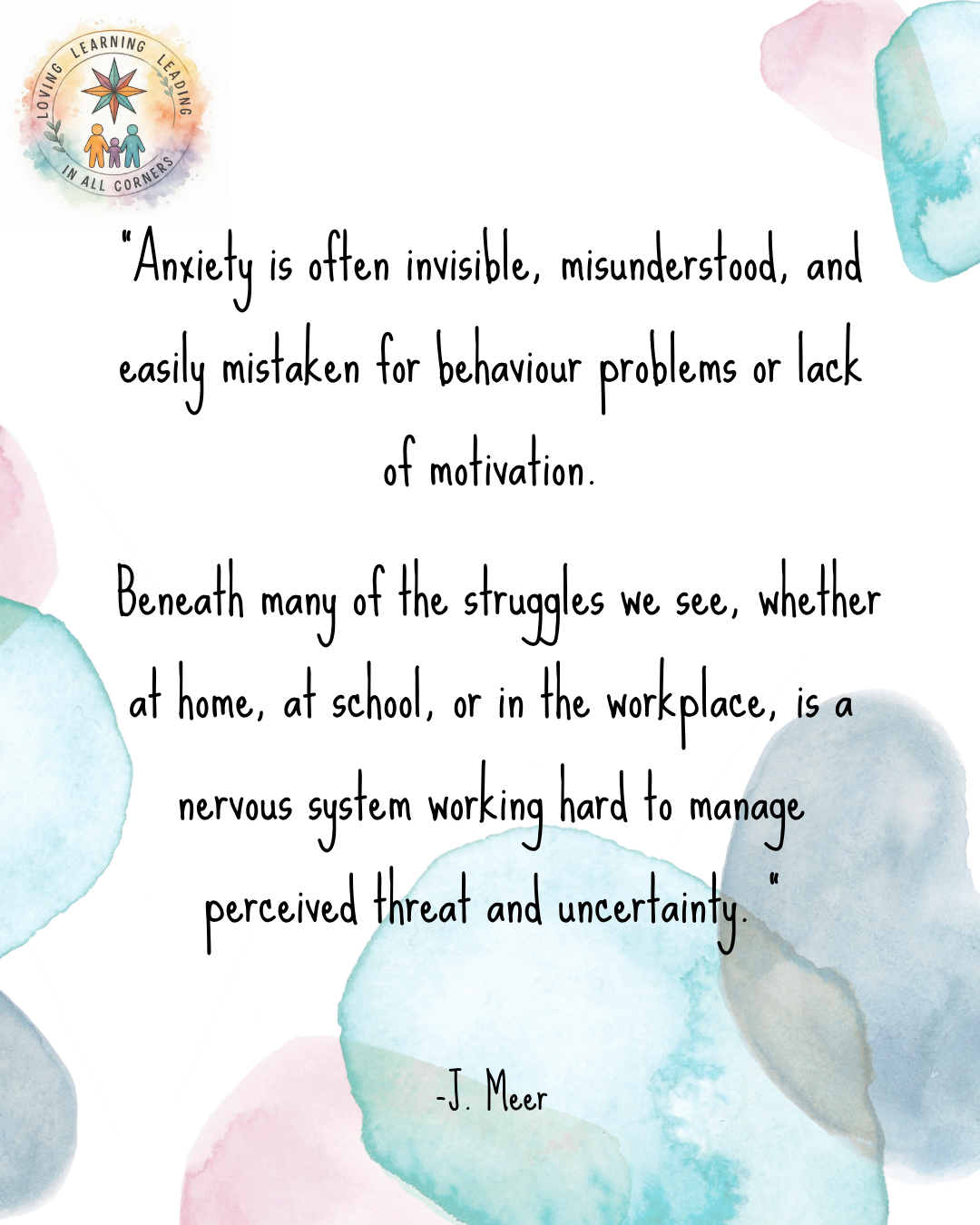
In Part One we touched on what anxiety can look like for different neurotypes in the same household. We considered how a person's support needs can be so different, even with the same co-occurring diagnosis. In Part Two we will explore what anxiety is and what it can look like at school, in the workplace and in relationships.
What is Anxiety?
Anxiety is a natural human emotion. We all experience it from time to time. But what happens when it becomes overwhelming and starts to impact our daily lives? Anxiety disorders are the most common mental health concern in the United States. Over 40 million adults in the U.S. have an anxiety disorder. Meanwhile, approximately 7% of children aged 3-17 experience issues with anxiety each year. Most people develop symptoms before age 21.
Anxiety at School
For children and teens, school is a major source of stress. The academic pressure, social interactions, and fear of failure can all contribute to anxiety. Some common signs of anxiety in students include:
- Difficulty concentrating in class
- Avoiding school or specific classes
- Perfectionism and fear of making mistakes
- Physical symptoms like headaches or stomachaches
Anxiety in the Workplace
Anxiety doesn't just affect children. It is also a common issue in the workplace. The pressure to perform, long work hours, and difficult colleagues can all contribute to anxiety. Some common signs of anxiety in the workplace include:
- Procrastination and difficulty meeting deadlines
- Avoiding social events or meetings
- Imposter syndrome and fear of not being good enough
- Burnout and exhaustion
Anxiety in Relationships
Anxiety can also impact our relationships with others. The fear of rejection, social awkwardness, and difficulty communicating can all make it challenging to form and maintain relationships. Some common signs of anxiety in relationships include:
- Avoiding social situations
- Difficulty trusting others
- Overthinking and analyzing every interaction
- Fear of being judged or criticized
How to Cope with Anxiety
The good news is that there are ways to cope with anxiety. Some effective strategies include:
- Mindfulness and meditation
- Exercise and physical activity
- Therapy and counseling
- Medication
It is important to find what works best for you and to seek professional help if needed. Remember, you are not alone in your struggles with anxiety. There is help and hope available.